
Andrew Axelrod realized that the $40 million he had backing the Brooklyn Mirage was going south when the club’s founder disappeared without a trace.

Axelrod, a 42-year-old fund manager who cut his teeth in Wall Street’s distressed-debt markets, believes live events are a cash cow of our times. He isn’t alone. Private-equity firms and hedge funds alike have thrown billions of dollars at the live-events industry, believing it offers a visceral, in-person antidote to society’s obsession with computer screens and iPhones.
The Mirage, a 32,000-square-foot, open-air dance venue on the outskirts of gentrifying north Brooklyn, looked like a home run to Axar Capital, Axelrod’s fund. Over the years, Axar began to do business with the club’s enigmatic founder, Billy Bildstein, and loaned tens of millions of dollars to the venue, which had become one of the most popular open-air clubs in North America.
But when two people were found dead in the nearby Newtown Creek after showing up at the Mirage in 2023, the whole thing started to come apart.
On social media, electronic-dance-music fans wondered if a serial killer was stalking ravers who had left the venue. Overzealous security guards, higher prices and overcrowding at parties also alienated longtime fans. DJs who played there stopped booking new shows, ticket sales nosedived and just as fast as the Mirage had boomed, it was heading for a bust.
Axelrod, whose fund was owed around $40 million, told Bildstein it was time to sell. In the fall of 2023, bankers from Houlihan Lokey arranged a sale to AEG Worldwide, the second-largest live-events company in the world, for around $80 million.
Then Bildstein stopped responding to Axelrod’s calls and emails, and the deal fell apart.

Axar took a greater role in the Mirage’s management and greenlighted a $30 million expansion to the club intended to juice profits and allow it to be able to pay back the high-interest debt it owed Axar entities, according to company records reviewed by The Wall Street Journal.
But three days before the club’s grand reopening last May, city authorities said the renovated Mirage wasn’t structurally safe enough to open to the public. The renovated space never passed inspection, and the club filed for bankruptcy at the end of the summer.
Axelrod’s fund now owns the joint. Executives from other companies it owns, including a funeral-home conglomerate, have helped run the Mirage’s few remaining operations. In December, Axelrod cut a $35 million debt deal with a Dubai-based company behind the Pacha nightclubs brand to bring the Mirage back once again, this time as “Pacha New York.” Axar will retain its ownership before selling to Pacha if certain conditions are met, said a spokeswoman for Pacha’s operating company.
The Brooklyn Mirage became one of the most celebrated dance venues in North America after two ragtag party promoters from Switzerland started hosting dance parties in industrial Brooklyn. But as Wall Street charged into the live-events business, venues like the Mirage have become increasingly unmoored from their underground roots, prioritizing expensive events for high-rollers.
For the Mirage, the push to commercialize hastened its downfall. The venue crumbled under the weight of high-interest rate debt and lost its cool factor as it jacked up prices and crowded the venue to sell more tickets.
While Axelrod has an exit plan thanks to Pacha, others owed funds from the Mirage will end up with less than 10% of what they were supposed to receive.
“We are left to absorb the cost of high-risk speculation by investors and financiers,” said Jon Mammele, a construction manager on the Mirage’s renovation whose firm is owed $248,650 by the venue.
Underground roots
Bildstein, the man behind the Brooklyn Mirage, once worked for a finance company in Zurich, where he also liked to throw techno parties. Around 2012, he and a wealthy friend relocated across the Atlantic to the burgeoning underground dance scene in Brooklyn.
North Brooklyn, once better known for warehouses and affordable housing, was turning into a nightlife hot spot. After Manhattan rents jumped and then-Mayor Rudy Giuliani cracked down on the late-night dance scene in the 1990s, promoters started hosting parties in vacant factories and industrial spaces in Brooklyn.
By the time Bildstein arrived, neighborhoods such as Williamsburg and Bushwick were awash with semilegal venues. One early party he planned—a Halloween rave at a defunct plastics plant that was a registered toxic-waste site—was shut down by the fire department after it deemed the place unsafe.
In 2015, he and his partners opened an outdoor party space they called the Brooklyn Mirage in a lot next to a defunct warehouse in Williamsburg. In 2017, they bought a former steel works and an abandoned bleach factory next door for $25 million and started hosting the Mirage in the lot between them.
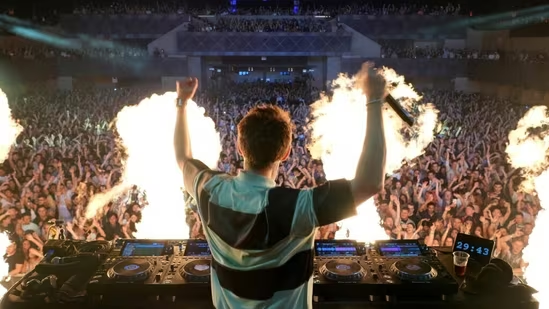
The complex, called Avant Gardner, began to host some of the world’s most famous electronic musicians, and throngs of New Yorkers came to revel in the atmosphere. Rain or shine, thousands of people would trek to a remote part of industrial Brooklyn, often with MDMA or other drugs, and spend hours dancing in the Mirage’s 32,000-square-foot multilevel complex.
Bildstein had pyrotechnic flares installed in the middle of the outdoor dance floor and added a 200-foot wall of more than 1,000 LED screens. Partyers could climb to the second floor of a temporary structure, where a bar offered views of the Manhattan skyline. Some partygoers remember it swaying back and forth when it was packed with people.

Joining the party were white-collar workers looking to let loose on summer weekends, including Michael Guggenheim, a now 33-year-old corporate lawyer. “You got a broad swath of people, not just the hardcore ravers,” he recalled.
Bildstein developed ties with city officials to keep the club running, according to people who once worked at the club. The Mirage relied on repeated rollovers of 90-day temporary permits for assembly, which are meant to be used for “limited-duration” events.
Bildstein hired Frank Carone, a close ally of Mayor Bill de Blasio and later Eric Adams, as a consultant on government relations, according to a copy of the contract reviewed by the Journal. He also fostered ties with police department brass. Former New York Police Department chief Jeffrey Maddrey threw a Christmas party at Bildstein’s venue in 2023, people familiar with the matter said. Representatives for Carone and Maddrey didn’t respond to requests for comment.
“It should not have been able to run for as long as it did,” said current Brooklyn Borough President Antonio Reynoso. “They did a masterful job at building support through elected officials that made the city turn a blind eye.”
Axelrod, the founder of Axar Capital, has made a small fortune out of bankrupt concert venues. In 2016, he bought SFX Entertainment, one of the biggest operators of music festivals, which he renamed LiveStyle and has since sold in parts to investors such as Providence Equity Partners and companies like Live Nation.
In 2021, he loaned $30 million to the Brooklyn Mirage to help keep the club’s lights on through the Covid-19 pandemic, and for Bildstein to buy out his old business partner. Axar thought the wildly popular club would be able to pay them back easily, according to a person familiar with his decision.
Bildstein borrowed around $10 million from an Axar entity to buy the Electric Zoo, an electronic music festival that Axar’s LiveStyle owned.
All the debt from Axar and its affiliates started to change how the Mirage operated, according to people who worked there. On social media, partyers who loved the bohemian atmosphere complained about the new vibe. They were taken aback by the price of drinks—cocktails were now running $20 and up—and a security company diligent about their mission to watch out for people taking drugs, which could be a legal liability. Ticket prices jumped, and the venue was much more crowded.
Summer of trouble

In the summer of 2023, John Castic, a Goldman Sachs analyst, disappeared after leaving the Mirage at about 3:00 a.m. on a Saturday. His body was found days later in Newtown Creek, making him the second person in less than three months to disappear after going to the Mirage and to turn up dead in the heavily polluted waterway.
The city’s medical examiner later attributed both deaths to drownings, and the police found no evidence of criminality. The deaths, coupled with chaos at an oversold Electric Zoo summer festival, alienated partygoers. Bildstein’s club was low on cash by the end of the summer, people familiar with the matter said.
Axar Capital loaned $10 million more to Bildstein with the understanding that he would try to sell the Mirage. Then Bildstein stopped responding to all calls and texts about the club, leaving associates in the dark about where he even was. The sale talks fell apart.
At the beginning of 2024, Axelrod hired recruiters to find a professional to run the club, people familiar with the matter said.
Bildstein eventually resurfaced, telling associates he had been in his home country of Austria. He agreed to have an outsider manage the Mirage but continued drawing a $650,000 annual salary as a board member, according to company records.
Axelrod hired Josh Wyatt, the former CEO of co-working space NeueHouse, who started on the job in August 2024. Wyatt worried the loans Axelrod had extended to Bildstein over the years were about to sink the company.
“The dramatic underperformance in 2024 has led to a serious negative cashflow situation which needs urgent turnaround,” Wyatt said in a written presentation to the club’s board of directors that September. Under the current “base case,” the presentation said, “the company cannot service its debt obligations which will consist of $12.5m interest in 2025 and climbing from there.”
Bildstein’s company lost $4 million in 2024, after notching a $12 million profit a year earlier, according to financial statements reviewed by the Journal. It owed more than $7 million to vendors that helped run the failed summer festival, and more than $6 million in unpaid state and federal taxes, the statements show.
Wyatt made a pitch that the best way to boost earnings and avoid bankruptcy was to rebuild the entire club. Bildstein agreed. The new plan had a “desert opera” theme. It included a mezzanine floor for VIPs that resembled an open-air symphony hall, and an even bigger LED screenscape to create a Vegas-like club experience.
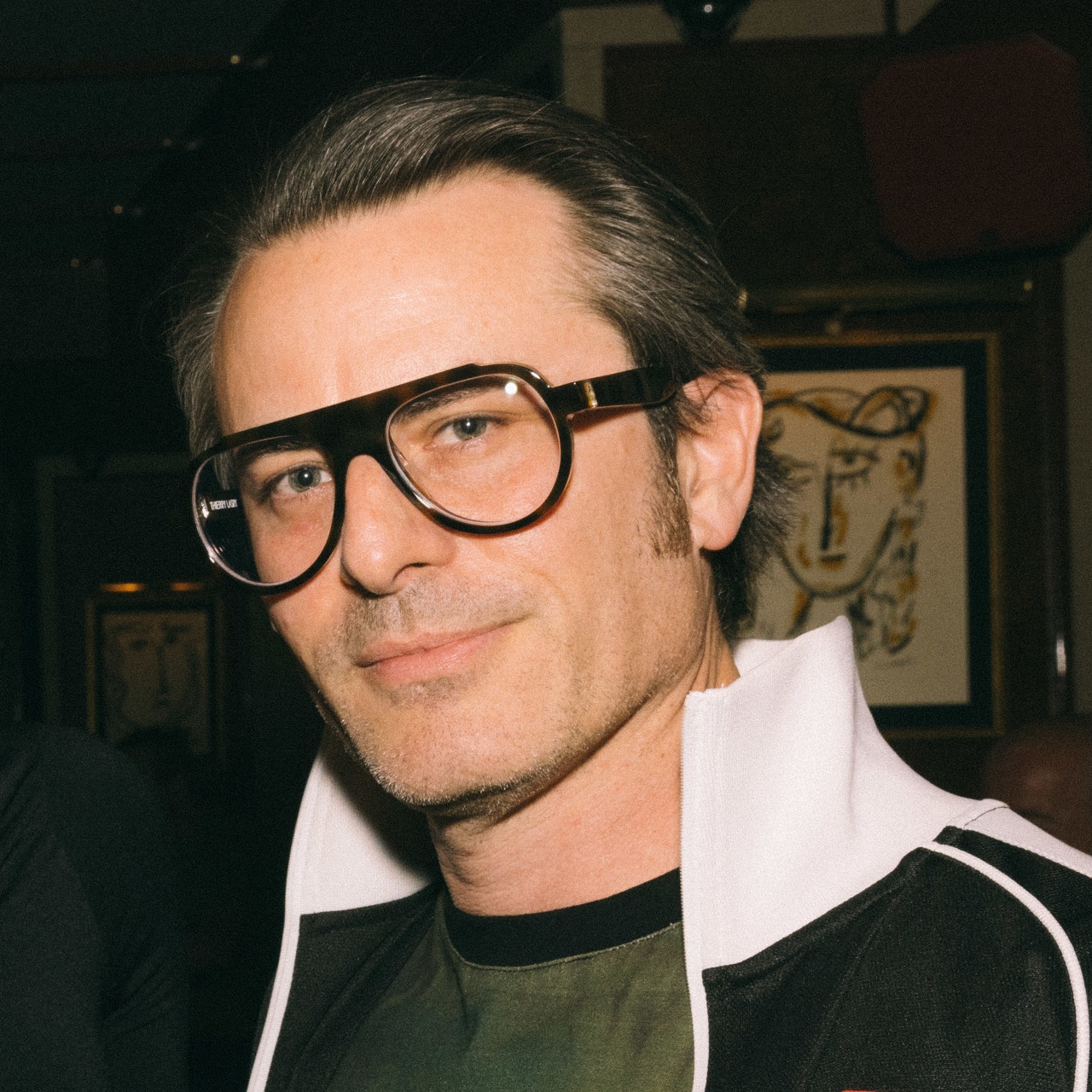
The project moved fast, but costs ran high. Bildstein and Wyatt butted heads as the Mirage’s founder made design changes midway through construction, including redesigning support pillars for a mezzanine level so partygoers on the bottom floor could see the Manhattan skyline better, people familiar with the matter said.
By February 2025, the project was expected to run $6 million over its $19 million budget, according to projections reviewed by the Journal. By April, it was closer to $15 million over budget, the projections show.
Axar advanced $45 million in loans to finance construction and pay back artists and vendors, bringing the Mirage’s total debt to Axar to $120 million, according to company records.
Hoping to keep a leash on Bildstein and Wyatt, Axelrod turned to a funeral-home company Axar owned called Everstory, bringing over its CEO, Lilly Donohue, to oversee the project’s finances, according to people familiar with the matter.
Last April, some credit cards provided to contractors by the Mirage were frozen as the project costs continued to go over budget, but some dipped into their own pockets to help finish the project.
“We were reassured that if you get the place open, everything will be fine,” said Katzie Guy Hamilton, a designer who has since filed a claim that she is owed $78,000.
Party’s over
The grand reopening was planned for May 2025. By April 30, the club had sold more than 200,000 tickets for the 2025 season, for a total of $16.6 million, company records show.
An 11th-hour review by the city’s Department of Buildings, a department spokesman said, showed the club “was no longer utilizing temporary stage equipment but instead had constructed a whole permanent building.” A subsequent audit, he said, “found multiple safety issues with the planned structure.”
On May 1, the city’s buildings commissioner called Wyatt and told him the season’s first party—planned for that night—couldn’t happen. An hour later, police units showed up to make sure nobody would get in.
Dozens of shows were canceled in the weeks that followed. Irate ticket-holders threatened Wyatt’s life on social-media and in emails. The Mirage reassured fans it would be opening later that summer.
Behind the scenes, though, the remaining employees weren’t so sure. In late May, Axelrod fired Wyatt during a sound check. Gary Richards, a 55-year-old former executive of an Axar-owned music company with a side gig performing as DJ Destructo, took over. The Mirage continued selling tickets for the 2025 summer season, but Richards started laying off staffers in waves.
On Aug. 4, the operating company behind the Mirage filed for chapter 11 bankruptcy protection, citing a failed renovation as the main cause of the club’s financial woes. It also put some of the blame on the builders for “construction problems” that prevented the club from opening on time.
Late last year, Bildstein was part of an investor group that offered to buy the club for around $105 million once it exited bankruptcy, but Axelrod turned down the offer, people familiar with the matter said.
Earlier this month, a bankruptcy court approved a plan for Axar to purchase the Mirage out of bankruptcy, converting the fund’s loans into equity, court documents show. Bildstein, the founder, has been wiped out.
Axar has a plan to get its money back. Dubai-based Pacha agreed to buy Axar’s stake for $135 million, “subject to certain future conditions being met,” according to Pacha’s spokeswoman. She declined to elaborate. Pacha, which will operate the club complex, has said it would tear down the recently built Mirage and be ready to go with a new one by June.
Recapturing the club’s mojo may be an even taller order. Some longtime fans aren’t sure they want to return after so many failed promises.
“New York deserves to have a space like what the Mirage gave us,” said Guggenheim, the lawyer. “It’s a massive hole in a music scene that is widely regarded as the best in the country. But I’m not sure I’ll ever want to go back.”
Write to Alexander Saeedy at alexander.saeedy@wsj.com