

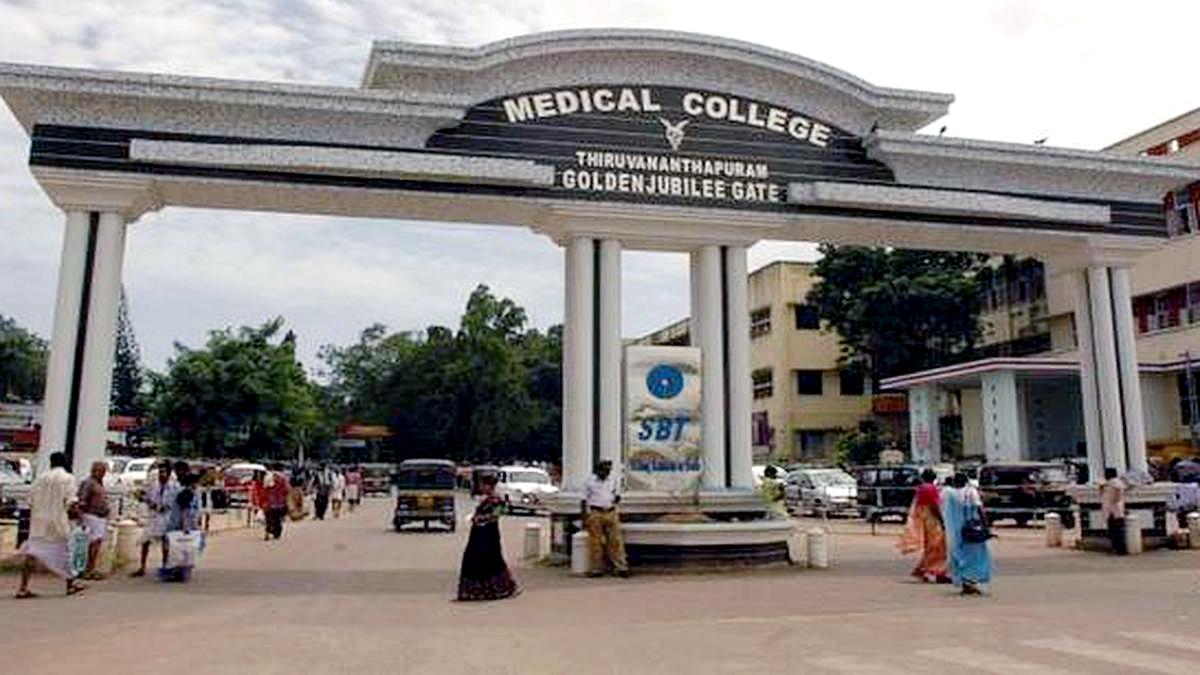
Kerala is widely recognised, both nationally and internationally, for its exemplary health sector. The Statec
Key health indicators include the infant mortality rate (IMR), which measures the number of infant deaths per 1,000 live births; life expectancy at birth, representing the average number of years a person is expected to live; and the maternal mortality ratio (MMR), defined as the number of maternal deaths during pregnancy or within 42 days post-delivery per 100,000 live births.
According to India’s Sample Registration System – the country’s most reliable source of demographic data – Kerala’s 2023 infant mortality rate (IMR) was five per 1,000 live births, compared to the national average of 25. The State reported the lowest IMR among large Indian States (those with populations exceeding 10 million), slightly better than the United States’ IMR of 5.6 in the same year. Kerala’s life expectancy at birth stood at 75 years, against the national average of 70 and the U.S. average of 77. The State’s maternal mortality ratio (MMR) was 19, compared with the national average of 97 and the U.S. rate of 18.7.
Kerala attained universal literacy status in 1991 following a robust grassroots total literacy movement. Currently, Kerala’s literacy rate stands at 93%, with female literacy at 92% closely approaching male literacy at 94%. This high level of female literacy has been instrumental in enhancing the State’s health outcomes. Female literacy has fostered widespread awareness of childhood illnesses, particularly vaccine-preventable diseases such as polio, diphtheria, whooping cough, tetanus, tuberculosis, and measles. This awareness enabled mothers to ensure their children under five received vaccinations, achieving near-universal immunisation coverage until recently. Furthermore, acute diarrhoeal diseases, a major cause of infant and child mortality, were effectively controlled through the administration of oral rehydration therapy at home. Acute respiratory diseases constitute another major group of childhood illnesses. The early detection of these ailments and prompt treatment-seeking behaviour contributed to reduced infant and childhood mortality. There is widespread consensus among national and international researchers that high female literacy is a primary factor driving Kerala’s superior health status.

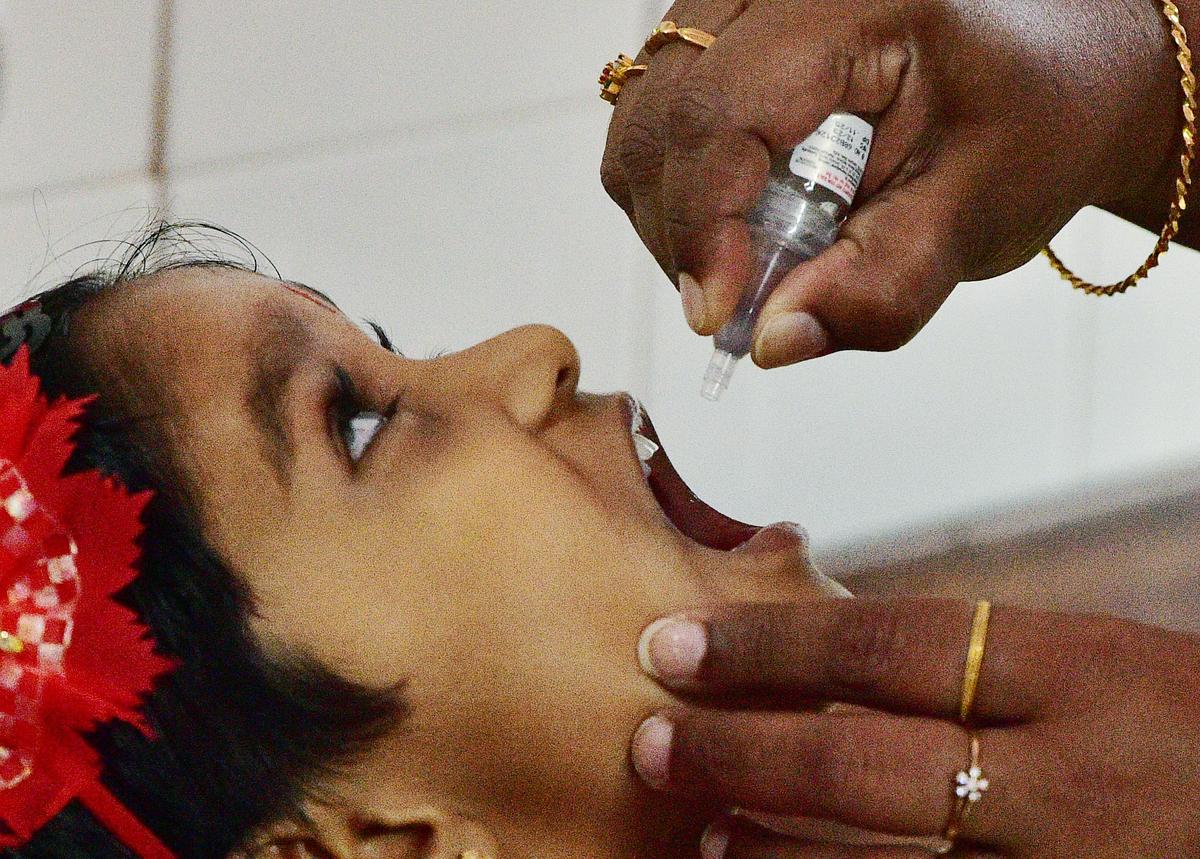
Female literacy has fostered widespread awareness of vaccine-preventable childhood illnesses. The photo shows pulse polio drops being administered to a child at Government Hospital, Palakkad.
| Photo Credit:
K.K. Mustafah
High female literacy, combined with improved access to healthcare, has also been pivotal in reducing maternal mortality in Kerala. With the total fertility rate (the average number of children per couple) reduced to 1.5, pregnancies are highly valued, and expectant mothers ensure they receive comprehensive care throughout pregnancy, delivery, and the postnatal period. Unlike in many other Indian States, most deliveries in Kerala are attended by gynecologists. Hospital deliveries are universal in the State. These factors are collectively responsible for decreasing maternal deaths to the previously mentioned level of 19.
Access to healthcare facilities also contributes to the early detection and treatment of diseases throughout an individual’s lifespan, thereby increasing life expectancy for both males and females. Kerala possesses one of the most developed healthcare infrastructures in India. The public healthcare system is extensive; each village panchayat (local self-government) has a Primary Health Centre (PHC) serving an average population of 30,000. These PHCs are currently being upgraded to Family Health Centres (FHCs) in a phased manner. Supporting these PHCs are health sub-centres, which primarily deliver preventive healthcare. Each sub-centre, catering to an average population of 5,000, is staffed by a junior public health nurse and a junior health inspector (known nationally as female health worker and male health worker, respectively). Health sub-centres in the State are now designated as Health and Wellness Centres. A middle-level service provider was recently added to these teams to augment the human resource capacity of the centres. The grassroots health infrastructure is supported by Accredited Social Health Activists (ASHA), with a ratio of one ASHA per 1,000 of the population. Anganwadi workers, operating under the Social Welfare Department, also assist the health system, particularly in child nutrition and immunisation programmes. Every FHC is staffed with at least one medical officer, and the majority have at least two. In contrast to many other Indian States, nearly all positions for medical officers and other health staff are filled, with minimal vacancies. Community Health Centres (CHCs) at the block level provide secondary healthcare services in addition to primary care. The public sector’s curative healthcare services are further provided by taluk hospitals in every taluk, district hospitals in every district, and 36 medical colleges (including 14 in the public sector, one for each of the 14 districts).
Decentralisation, known in Kerala as the People’s Plan Campaign, has helped enhance the functionality of the health system. A significant portion of the State budget is allocated to Local Self-Governments (LSGs) for planning and implementing health programmes. In the 2024-25 fiscal year, 27.5% of the total State plan outlay, amounting to ₹83,520 million, is earmarked for LSG institutions. Such decentralisation is instrumental in identifying local needs and executing action plans at the grassroots level. A striking example of effective implementation and local adaptation was observed during the COVID-19 pandemic. Local governments supported community kitchens to supply food to migrants and others in need, alongside various other activities aimed at the health and well-being of the populace within their jurisdiction. LSG initiatives were also highly effective in assisting people affected by natural calamities, such as the 2018 floods. The ability to generate local resources is another positive attribute of the State’s LSGs.

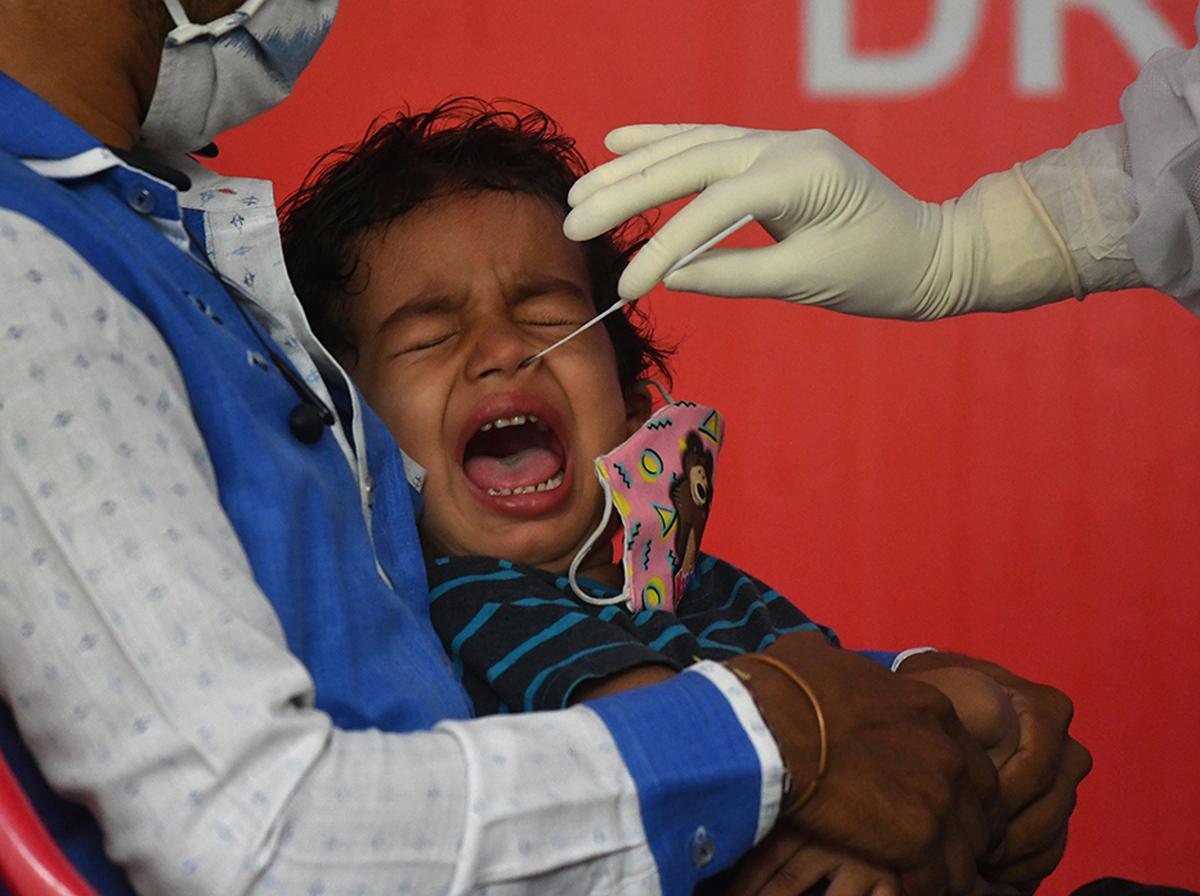
The pandemic response showcased effective local implementation of health strategy. The photo shows swab collection at a PHC in Kochi.
| Photo Credit:
Thulasi Kakkat
The government’s Aardram Mission aims at transforming PHCs into FHCs, featuring enhanced facilities, improved doctor-patient ratios, and comprehensive primary care, including screening for Non-Communicable Diseases (NCDs). The upgrades include increased staffing, particularly doctors, and extended operating hours to accommodate more patients. FHC facilities have also been improved with better amenities, like seating for waiting patients. Due to Kerala’s advanced epidemiological transition, NCDs are increasing and now significantly exceed communicable diseases in prevalence.
Pioneering palliative care
Kerala is a global leader in community-based palliative care, maintaining a widespread network that provides pain relief, end-of-life care, and home visits, often operated with support from LSGs and volunteers. This landmark accomplishment has enabled many individuals to access palliative care, consequently reducing end-of-life care costs, which constitute a significant portion of global health expenditure. In the U.S., for instance, nearly half of total health expenditure is incurred during the final six months of life, and the country allocates a substantial 18% of its GDP to healthcare, making it the world’s largest health spender. Despite Kerala’s achievements, challenges remain: the stigma associated with home-based palliative care must be addressed to encourage greater patient uptake, and facilities and outreach must be enhanced to improve coverage.

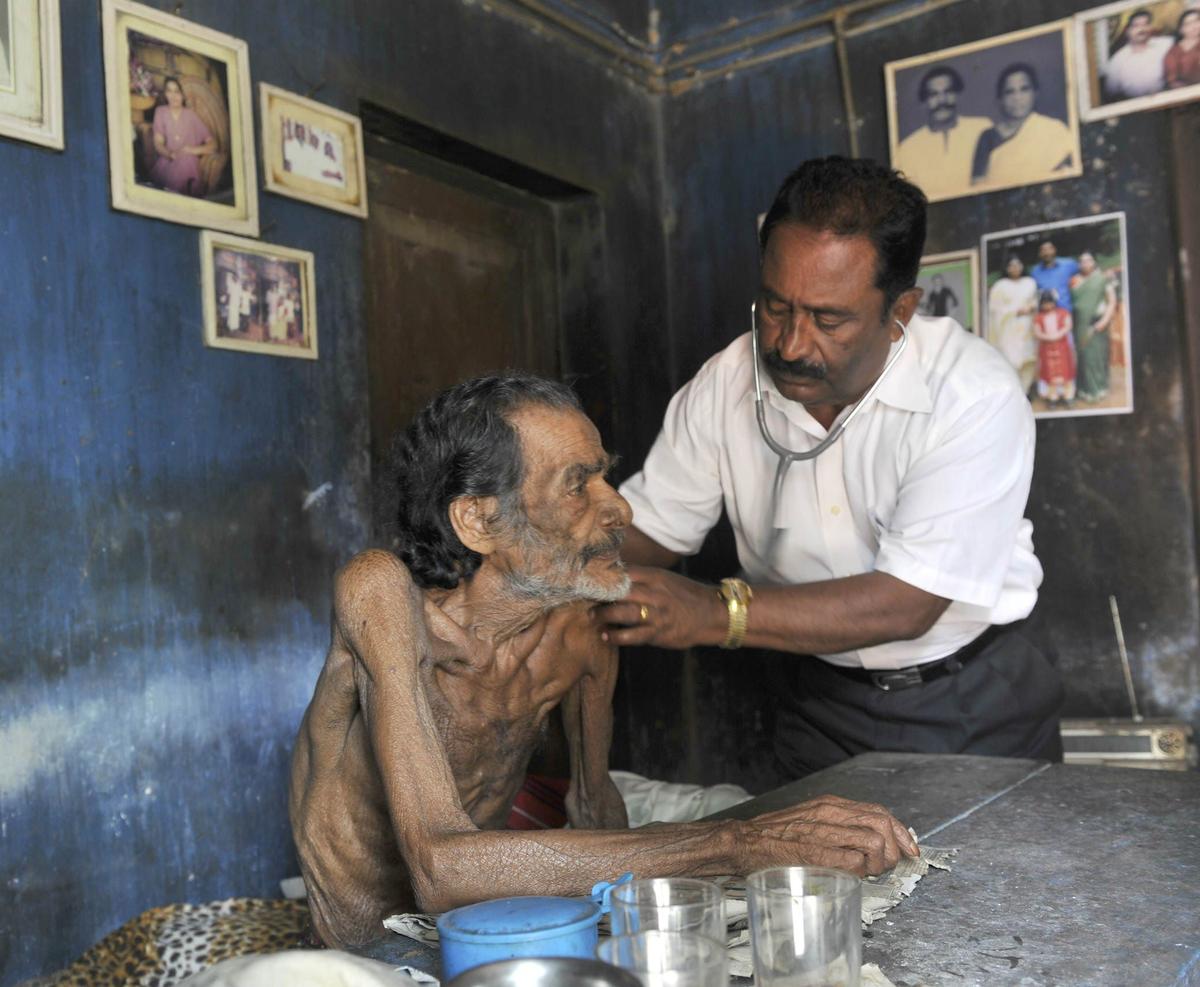
Kerala is a global leader in community-based palliative care. The photo shows a doctor evaluating a patient at his residence at Pathanamthitta.
| Photo Credit:
Leju Kamal
High rate of institutional deliveries
The State has achieved nearly 100% institutional deliveries, a key factor contributing to its low MMR and IMR. Although increased institutional deliveries alone do not guarantee reductions in these indicators, the quality of care in Kerala is high. As a result, many private and public hospitals have been accredited under the National Quality Assurance Standards. Institutional delivery has effectively become the norm in the State. An extensive network of public and private hospitals equipped to conduct caesarean sections has enabled this universal practice. However, this has also contributed to a high proportion of caesarean deliveries. Recent reports indicate that the caesarean section rate has exceeded 50% in Kerala – well above the World Health Organization’s indicative benchmark of 15% (though this benchmark is debated). The State’s superior road infrastructure and communication facilities further support timely transport of pregnant women to hospitals for delivery.
Focus on non-communicable diseases
Acknowledging the rising burden of lifestyle diseases (such as diabetes and hypertension) and an ageing population, the State has proactively integrated NCD screening and management into its primary healthcare system. The national NCD prevention and control programme, launched in 2010, initially covered 21 States and 100 districts. Although the first phase envisaged implementation in only five districts of Kerala, the State government chose to scale it up across all 14 districts. The prevalence of major NCDs – including cardiovascular diseases (heart attacks, stroke, hypertension), cancers, chronic lung diseases, and diabetes – is very high in the State. Kerala reports one of the highest rates of heart attacks in the country. Nearly 50% of the adult population (aged 20 and above) has hypertension, a prevalence second only to Punjab. Approximately one in four adults in the State has diabetes mellitus, the highest rate among India’s major States. The Thiruvananthapuram and Kollam cancer registries also report among the highest cancer incidence rates in the country, surpassed only by the Mizoram registry, where the high rate is attributed to widespread tobacco use. This exceptionally high NCD burden has prompted the Government of Kerala to expand facilities for NCD prevention and control.

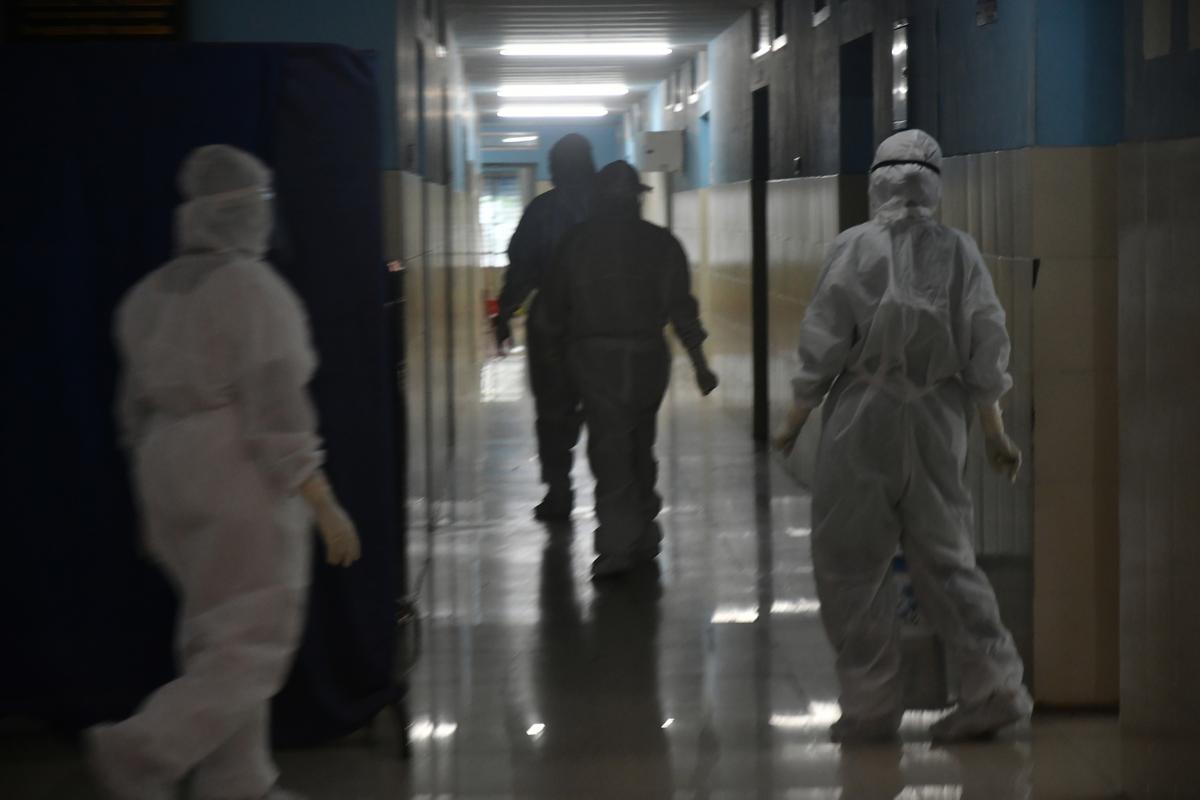
Kerala has proven its public health prowess in managing outbreaks, including COVID-19 and Nipah. The photo shows the Nipah isolation ward at Kozhikode Medical College.
| Photo Credit:
Thulasi Kakkat
Kerala maintains a high density of health workers – including doctors, nurses, and paramedical staff – which is critical for efficient healthcare delivery. The State has an active workforce of 25 doctors per 10,000 population, compared with the national average of nine. Nurses from Kerala are recognised globally for their professional standards. The State’s doctor-to-population ratio is among the highest in the country, and most government facilities, including PHCs and FHCs, employ regular doctors appointed through the Public Service Commission. This contrasts with most other States, where doctors are often employed on a contract basis. Kerala’s nurse-to-population ratio is also among the highest in the country.
Effective management of communicable diseases
The State has demonstrated strong public health capabilities, consistently showing efficiency in controlling outbreaks and managing health emergencies, as seen during the COVID-19 and Nipah outbreaks. Its comprehensive network of PHCs, together with the presence of at least one medical college in each of the 14 districts, has enabled effective control of numerous communicable diseases. The State’s management of the COVID-19 pandemic attracted global attention; Kerala’s health minister at the time was selected for the Magsaysay Award in recognition of exemplary work, though the award was declined. The Nipah outbreaks in the State were also managed effectively.
Challenges for the health sector
An ageing population and its associated health burden represent one of the primary challenges for Kerala’s health sector. According to the 2011 Census, Kerala had the highest proportion of older adults (12.6%) compared to the national average of 8.2%; this share is likely significantly higher today due to increased life expectancy. The common NCDs – diabetes, cardiovascular diseases (including heart attacks, hypertension and stroke), cancers and chronic lung diseases – are considerably more prevalent among older adults than younger populations. Mental health issues are also more common in this age group. In a large proportion of households, older adults live alone with minimal support from their children. Loneliness itself constitutes a significant health concern for this demographic. While the State government provides an old-age pension, it is insufficient to meet their comprehensive healthcare needs.
Kerala is in an advanced stage of epidemiological transition, meaning NCDs are the predominant disease category compared to communicable diseases. Estimates from the Global Burden of Disease study identify Kerala as the most advanced large State in this transition, with NCDs accounting for 84% of its disease burden. A single case of cancer, heart attack, or stroke in a household can potentially push the entire household below the poverty line due to catastrophic health expenditure. Treatment for these diseases is expensive, even within the public sector, although costs are significantly lower than in the private sector. However, public sector cancer treatment facilities in Kerala are limited and typically overcrowded.
As previously noted, hypertension and diabetes affect a large segment of Kerala’s population. However, the hypertension control rate – defined as systolic blood pressure below 140 and diastolic pressure below 90 – among adults aged 20 and above in the State is only 12%. This is similar to the national average but far lower than in countries such as Canada and South Korea, where control rates exceed 60%. Diabetes control rates – defined as fasting blood sugar below 126 – are also low at 15%, again comparable to the national average. Uncontrolled hypertension and diabetes are the main drivers of chronic kidney disease requiring dialysis. As a result, Kerala now has one of the highest concentrations of dialysis centres in India.

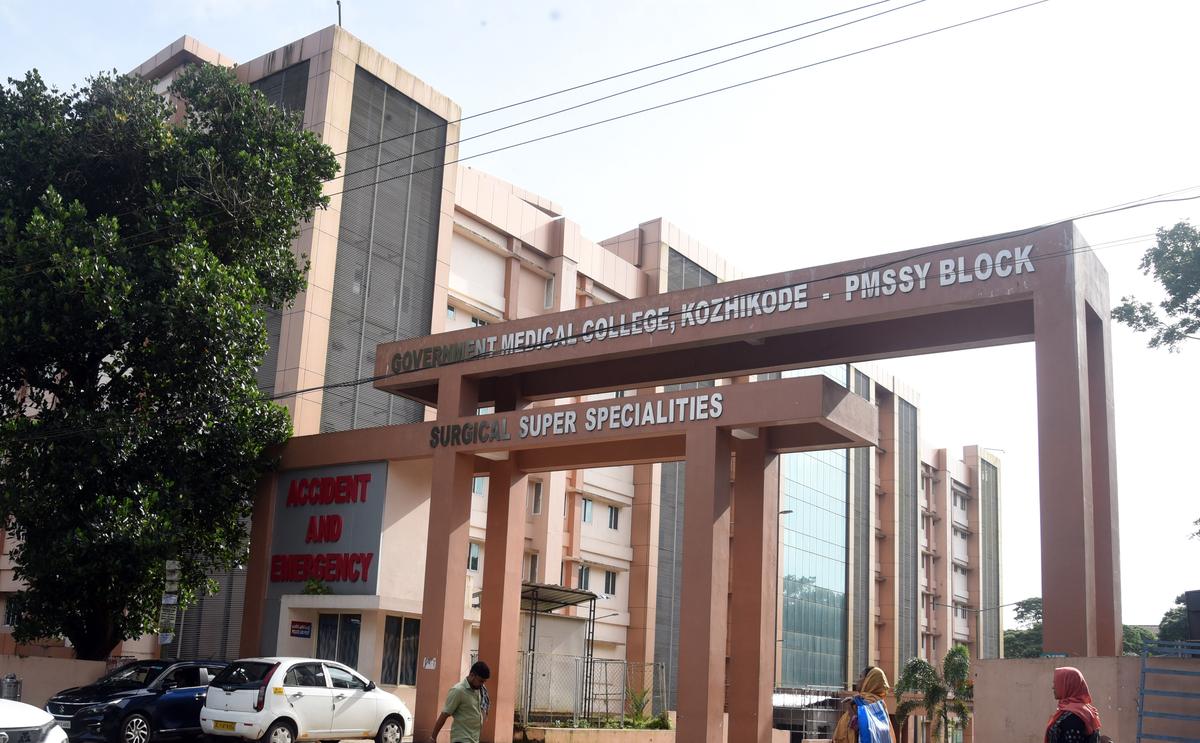
The public sector provides 47.5% of outpatient care in Kerala, far above the national average of 30.1%. The photo shows Kozhikode Medical College Hospital.
Morbidity rates in Kerala are significantly higher than the national average. The reported morbidity rate – defined as any ailment within the last 15 days – is 24.5% in Kerala, compared to 7.5% for India. The share of patients who received inpatient treatment in the past year is also markedly higher: 10.5% in Kerala versus 2.9% nationally. In rural areas, 40% of hospitalisations in Kerala occur in the public sector, compared to 45% for India; in urban areas, the figures are 36% and 35%, respectively. The public sector also provides 47.5% of outpatient care in Kerala, far above the national average of 30.1%. Even after controlling for perception biases, morbidity remains significantly higher in the State. This elevated morbidity translates into increased utilisation of hospital services and higher health expenditure. Kerala is often cited as a “paradox,” displaying high morbidity but low mortality.
Nationally, more than 50 million people are pushed below the poverty line each year due to catastrophic health expenditure. Kerala experiences the highest rate of such expenditure, driven by its greater morbidity and service utilisation.
A major challenge for the State is the prevention of NCDs. Although a large share of these diseases is preventable by addressing key risk factors – tobacco use, unhealthy diet, physical inactivity and alcohol consumption – the impact of current prevention strategies remains limited. Among these risk factors, interventions targeting tobacco use have been the most effective. Tobacco use declined from 21% in the Global Adult Tobacco Survey (GATS)-1 (2009–10) to 12.7% in GATS-2 (2016–17), a reduction of more than 40%. Nevertheless, nearly one in five men in Kerala continue to use tobacco.
Unhealthy diet is the primary risk factor in the State, contributing to the high prevalence of overweight and obesity. Kerala has among the highest rates of overweight and obesity in India. The combination of unhealthy diets and physical inactivity is a major driver of excess weight, which in turn underlies most NCDs. According to the WHO, adults should consume at least five servings of fruits and vegetables daily. Although Kerala performs better than the national average – with 25% of adults meeting this recommendation compared to only 2% nationally – there remains considerable scope for improvement. Locally available produce, such as jackfruit (which can be consumed as both a fruit and a vegetable), is not preferred by most residents. Physical activity levels are also low, influenced in part by Kerala’s high per capita motor vehicle ownership. In many schools, physical education classes are irregular, with allotted time often diverted to academic subjects.

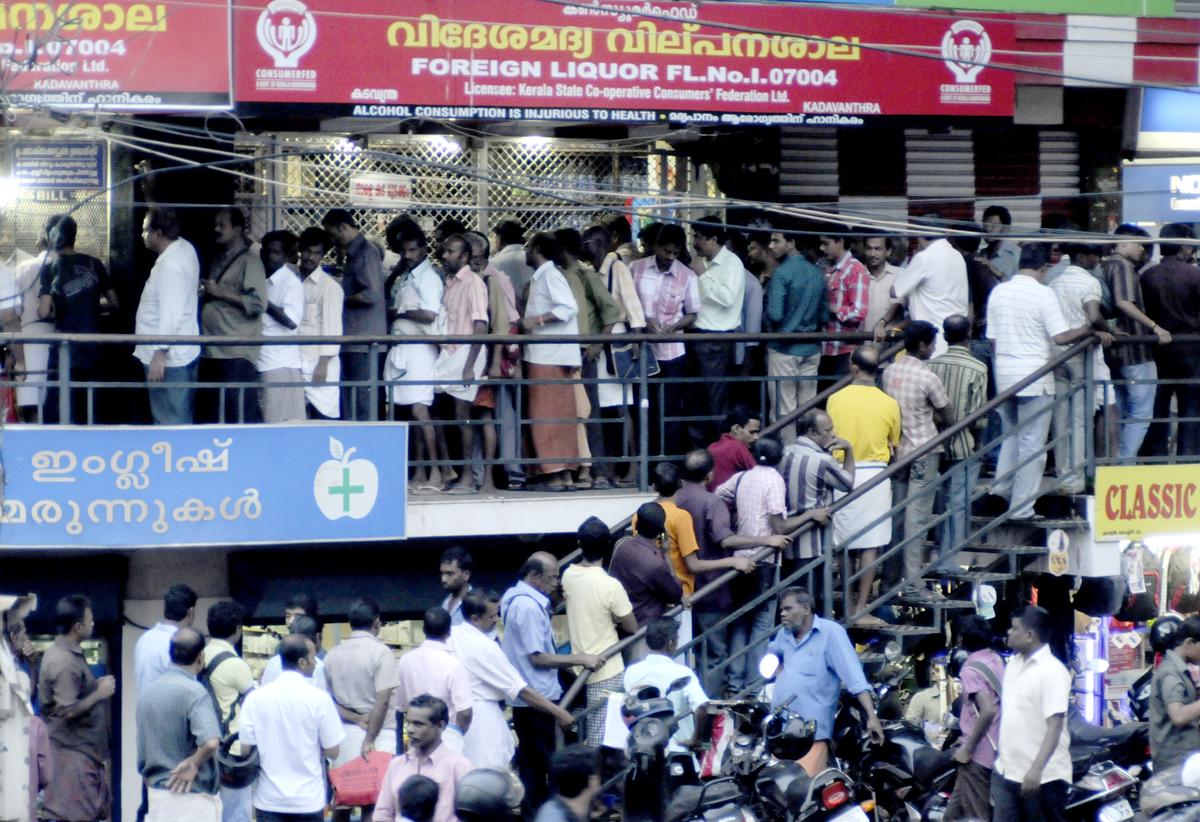
Kerala has one of the highest alcohol consumption rates among major States. The photo shows people crowding a government-run liquor outlet.
| Photo Credit:
The Hindu Archives
According to the latest National Family Health Survey [2019–21], Kerala has one of the highest alcohol consumption rates among major States. Consumption has not declined despite sales being restricted through the State-run Beverages Corporation. The pattern of alcohol use further exacerbates health risks: binge drinking and the preference for hard liquor are particularly hazardous.
High suicide rates present another challenge. Kerala has one of the highest suicide rates in India. In 2023, Kerala reported the highest suicide rate among major States at 30.6 per 100,000 population, compared to the national average of 12.3. Despite specific programmes to address suicide and mental health (e.g., ‘Aswasam’, a depression management programme in FHCs), rates remain high. This constitutes a significant challenge for the State.
Road accidents
In 2023, Kerala recorded over 48,000 road traffic accidents (RTAs), ranking third in India after Tamil Nadu and Madhya Pradesh. The State registered over 4,000 RTA-related deaths, ranking 17th nationally in this metric. This relatively lower death rate can likely be attributed to Kerala’s extensive healthcare infrastructure, which enables faster emergency response and better trauma care.
What next?
In conclusion, Kerala continues to perform well in the health sector, particularly in its infant mortality rate, maternal mortality ratio, and life expectancy at birth. However, out-of-pocket expenditure in the State remains extremely high, pushing many people below the poverty line due to catastrophic health costs. The current health allocation – approximately 1.6% of the State domestic product – is grossly inadequate to address Kerala’s major health challenges. The 2017 National Health Policy envisaged increasing health spending to 2.5% of GDP. At the national level, however, public health expenditure has remained stagnant at 1.2-1.3% of GDP. While Kerala’s allocation is marginally better, it must be substantially increased to meet the significant challenges facing the State’s health sector.
(Dr. Thankappan is former Professor and Head, Achutha Menon Centre for Health Science Studies, Sree Chitra Tirunal Institute for Medical Sciences and Technology, Thiruvananthapuram)
This article is part of The Hindu e-book. Kerala: a model State’s paradox